Managing Insect Issues in Properties

The responsibility of a property manager in Sheffield extends beyond basic upkeep; it involves a comprehensive understanding of pest control laws that safeguard both tenants and property. With the right knowledge and strategies, you can protect your investment while ensuring a healthy environment for all.
What You Will Learn
- The importance of compliance with UK pest control laws to prevent legal issues.
- Key legal obligations such as the Health and Safety at Work Act and the Food Safety Act that property managers must follow.
- How to document pest control practices effectively, which is not only good practice but also a legal requirement.
- Identifying common insect threats in Sheffield's commercial properties to take proactive measures against infestations.
- The risks associated with insect infestations, including health threats and potential property damage.
- Signs of insect infestations to look out for, enabling early intervention and effective management.
- The benefits of developing comprehensive pest control strategies that enhance property value and tenant satisfaction.
- Key components of a property maintenance plan that contribute to long-term pest prevention.
Key Responsibilities & Threats for Sheffield Property Managers
Property managers in Sheffield face specific legal obligations and common pest threats. The visual below outlines key compliance areas and prevalent insect invaders, along with essential documentation practices. For a more detailed look at UK pest control laws and management, explore our dedicated guide.
Legal & Compliance Framework
- Health and Safety at Work Act 1974
- Food Safety Act 1990 (for relevant properties)
- Environmental Protection Act 1990
- Wildlife & Countryside Act 1981
- COSHH Regulations
Ensuring a safe environment and proper waste management are key.
Essential Documentation Practices
- Regular inspections & audits
- Records of pest treatments (dates, types)
- Incident reports of infestations
- Communication with professionals
Accurate records demonstrate compliance and aid effective management.
Common Insect Threats in Sheffield
- Ants (food contamination, unsightly trails)
- Cockroaches (disease carriers, thrive in warmth)
- Flies (spread bacteria, found near waste)
Early identification is key to preventing widespread infestations.
Signs of Insect Infestation to Watch For
- Visible droppings or nesting materials
- Unusual, persistent odors
- Physical sightings of pests (live or dead)
- Damage to property or food packaging
Regular vigilance can help catch problems early.
Understanding Your Responsibilities as a Sheffield Property Manager in Pest Control
As a property manager in Sheffield, you have a crucial role in maintaining a pest-free environment. Understanding your responsibilities regarding pest control is vital for compliance with UK laws and for ensuring the safety of your tenants, clients, and the community. Many regulations guide pest control practices in commercial properties, and being well-versed in these laws can prevent potential legal issues down the line.

One of the key aspects of your responsibilities includes adhering to the UK pest control laws, which outline safe and effective methods for managing pest infestations. This includes ensuring compliance with the Wildlife and Countryside Act 1981 and COSHH regulations. Being proactive in understanding and implementing these regulations helps protect both your property and your tenants.
Legal Compliance for Commercial Pest Management
It's essential to familiarize yourself with the various legal obligations that come with managing a commercial property. Here are some critical regulations to keep in mind:
- Compliance with the Health and Safety at Work Act 1974, ensuring a safe environment for all.
- Following the guidelines set out in the Food Safety Act 1990 for properties that handle food.
- Understanding your duties under the Environmental Protection Act 1990 concerning waste management and pest control.
By understanding these laws, you can implement effective pest management strategies that not only comply with legal standards but also contribute to a healthier environment for everyone involved. If you require assistance, the team at Pest Control Sheffield is here to help guide you through these regulations. For more information on Sheffield pest control compliance, refer to our comprehensive guide.
Documenting Pest Control Practices
Keeping accurate records of your pest control practices is not just a good habit; it's a legal requirement. Maintaining detailed documentation can help you demonstrate compliance with regulations and provide clear evidence of your pest management strategies. This includes:
- Regular inspections and audits of your property.
- Records of pest control treatments, including dates and types of treatments used.
- Incident reports detailing any pest infestations and the actions taken to address them.
Not only does good documentation help you stay compliant, but it also allows for better communication with pest control professionals, like those at Pest Control Sheffield. We can assist you in establishing an effective record-keeping system that suits your property management needs.
Identifying Common Insect Threats in Sheffield's Commercial Spaces
When it comes to protecting your property, understanding the common insect threats that can invade Sheffield's commercial spaces is critical. Being able to identify these pests and their signs can help you take swift action to prevent infestations.
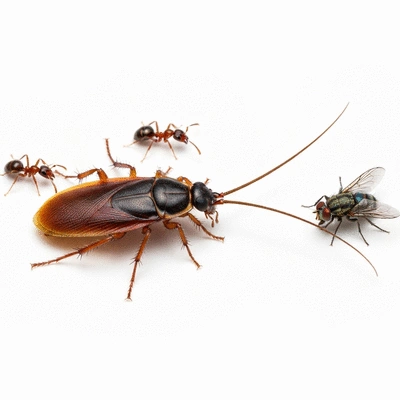
Some of the most prevalent insect pests in our area include:
- Ants - Often found in kitchens and dining areas, they can contaminate food sources.
- Cockroaches - Known carriers of disease, they thrive in warm, humid environments.
- Flies - Commonly found in areas with food waste, they can spread bacteria and other pathogens.
Recognizing these threats early on is essential to maintaining a safe and hygienic environment for your tenants and visitors alike.
Pests That Affect Sheffield Properties
Each type of pest can bring specific challenges and concerns. For example, ants can create unsightly trails and invade food supplies, while cockroaches can be a significant health risk. Being aware of these pests' behaviors can help you implement effective control measures.
Additionally, monitoring the presence of these pests can help inform your pest management strategies. The Pest Control Sheffield team is always ready to assist you with tailored pest control solutions.
Understanding the Risks Associated with Insect Infestations
Insect infestations can lead to numerous risks, from structural damage to health hazards. It's important to understand these potential consequences:
- Health risks - Many insects can carry diseases that pose serious health threats to humans.
- Property damage - Certain pests, such as woodboring insects, can compromise the integrity of your building.
- Reputation damage - A pest-infested property can harm your business's reputation and drive away tenants or customers.
By being proactive in pest management, you can mitigate these risks and maintain a safe, healthy environment for all.
Signs of Insect Infestation: What Property Managers Should Look For
To effectively manage pest issues, property managers must be vigilant in identifying signs of infestations. Key indicators include:
- Visible droppings or nesting materials.
- Unusual smells, often indicating a larger problem.
- Physical sightings of pests, such as cockroaches or flies.
Regular inspections and awareness of these signs can help you catch infestations early and take appropriate action. Remember, if you suspect an infestation, the team at Pest Control Sheffield is just a call away for comprehensive support! For insights into identifying pests in Sheffield properties, check out our guide.
We Want to Hear From You!
As a property manager, your experiences with pest control can greatly influence your practices. What challenges have you faced in maintaining a pest-free environment? Share your thoughts below:
Benefits of Implementing Comprehensive Pest Control Strategies
Implementing a comprehensive pest control strategy offers numerous benefits for property managers in Sheffield. By proactively addressing pest issues, you can save on potential costs associated with damage and health risks, ultimately enhancing your property's value. These strategies not only protect your investments but also create a more comfortable and safe environment for tenants and visitors.
For businesses, a pest-free environment boosts reputation and ensures compliance with local regulations. When you prioritize pest management, you're not just preventing infestations; you're also building trust with your clients and employees, which is crucial in maintaining long-term relationships.
- Cost savings by preventing costly repairs and treatments
- Increased property value through enhanced tenant satisfaction
- Improved health and safety standards for occupants
- Compliance with local pest control regulations
The benefits of a thorough pest control strategy extend beyond the immediate effects. By investing in pest management, you foster a culture of responsibility and care that resonates throughout your property management practices.
Property Maintenance Plans: Enhancing Long-Term Pest Prevention
Regular maintenance plans play a critical role in your pest prevention efforts. By incorporating pest control measures into your overall property maintenance strategy, you can significantly reduce the likelihood of infestations. Here are some key components to consider when developing a robust maintenance plan:
- Conducting regular inspections to identify potential pest entry points
- Scheduling routine cleaning and sanitation efforts in communal areas
- Implementing landscaping practices that discourage pest habitation
- Engaging with professional pest control services for seasonal assessments
By integrating these practices into your property maintenance plan, you create a well-rounded approach to pest control. Not only does this enhance your property’s overall health, but it also signals to your tenants that their safety and comfort are top priorities.
Frequently Asked Questions (FAQs)
Q1: What are the primary legal obligations for property managers regarding pest control in Sheffield?
A1: Property managers must comply with several key UK pest control laws, including the Health and Safety at Work Act 1974, the Food Safety Act 1990 (for relevant properties), the Environmental Protection Act 1990, the Wildlife & Countryside Act 1981, and COSHH regulations. These laws ensure a safe environment and proper waste management.
Q2: Why is documentation of pest control practices important?
A2: Accurate documentation, such as records of inspections, treatments, and incident reports, is a legal requirement. It helps demonstrate compliance with regulations, provides clear evidence of pest management strategies, and facilitates better communication with pest control professionals.
Q3: What are some common insect threats in Sheffield's commercial properties?
A3: Common insect threats include ants (which contaminate food), cockroaches (disease carriers that thrive in warmth), and flies (which spread bacteria and are found near waste). Early identification of these pests is crucial for preventing widespread infestations.
Q4: What are the risks associated with insect infestations in commercial properties?
A4: Insect infestations pose various risks, including health threats (many insects carry diseases), property damage (e.g., from woodboring insects), and reputational damage to the business, which can deter tenants and customers.
Q5: How can property managers enhance long-term pest prevention through maintenance plans?
A5: Long-term pest prevention can be enhanced by incorporating pest control measures into regular property maintenance plans. This includes conducting regular inspections, scheduling routine cleaning, implementing landscaping practices that deter pests, and engaging professional pest control services for seasonal assessments.
Recap of Key Points
Here is a quick recap of the important points discussed in the article:
- Understand and comply with UK pest control laws, including the Wildlife and Countryside Act 1981 and COSHH regulations.
- Keep detailed records of pest control practices, including inspections, treatments, and incident reports.
- Be aware of common insect threats in Sheffield, such as ants, cockroaches, and flies.
- Recognize signs of pest infestations early to take swift action.
- Implement comprehensive pest control strategies to save on costs and enhance property value.
- Incorporate pest control measures into regular property maintenance plans to prevent infestations.

Liam Harrington
As a BPCA and NPTA-accredited pest control expert, I've dedicated over a decade to safeguarding Sheffield homes and businesses from unwanted intruders. My passion lies in delivering effective, safe, and tailored pest management solutions, ensuring peace of mind for our community. From common household pests to complex commercial infestations, I'm committed to sharing expert knowledge and promoting sustainable practices.
Popular Posts
Sheffield Pest Management Contract Insights
![Sheffield Pest Management Contract Insights]() In the realm of pest management, contracts are not merely formalities; they are your safeguard again
In the realm of pest management, contracts are not merely formalities; they are your safeguard again
 In the realm of pest management, contracts are not merely formalities; they are your safeguard again
Effective Pest Management in Sheffield
![Effective Pest Management in Sheffield]() Did you know that timely pest control actions can significantly enhance your business's reputation a
Did you know that timely pest control actions can significantly enhance your business's reputation a
 Did you know that timely pest control actions can significantly enhance your business's reputation a
Finding Bird Control Help in Sheffield
![Finding Bird Control Help in Sheffield]() Choosing the right bird control service can safeguard your property and promote a healthier communit
Choosing the right bird control service can safeguard your property and promote a healthier communit
 Choosing the right bird control service can safeguard your property and promote a healthier communit
Bed Bug Guide for Sheffield Residents
![Bed Bug Guide for Sheffield Residents]() What if you could reclaim your home from one of the most elusive pests? Understanding bed bugs is yo
What if you could reclaim your home from one of the most elusive pests? Understanding bed bugs is yo
 What if you could reclaim your home from one of the most elusive pests? Understanding bed bugs is yo
