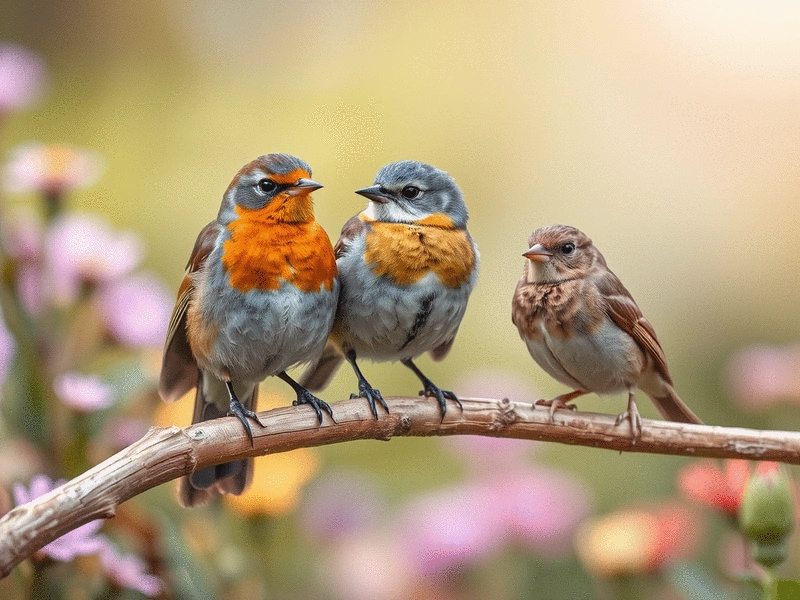
Understanding local bird species is essential for both urban ecology and effective pest management. As our cities evolve, so too must our strategies for coexisting with nature. Dive into the insights provided in this guide to enhance your knowledge and contribute to a healthier ecosystem!
What You Will Learn
The significance of accurate bird identification for effective pest management and biodiversity conservation.
Common bird species in Sheffield, including their characteristics and habitats.
How to identify native and invasive bird species, along with their ecological impacts.
The importance of tracking bird migration patterns to adapt pest control strategies accordingly.
Effective use of bird identification guides to enhance your birdwatching experience and knowledge.
Considerations for wildlife conservation when implementing pest control measures.
Ways to engage with local wildlife trusts and birdwatching groups to support conservation efforts.
Understanding local bird species is crucial for effective and eco-friendly pest management. This overview highlights key aspects of bird identification and their relevance to maintaining ecological balance in Sheffield. For more detailed information on regulations concerning birds, explore bird control laws in Sheffield.
Importance of Accurate Bird Identification
Avoid harm to protected species.
Helps control pest populations naturally.
Indicates environmental quality.
Crucial for eco-friendly pest management
Common Sheffield Bird Species
House Sparrow (urban, gardens)
Wood Pigeon (rural & urban)
Starling (murmurations)
Familiar inhabitants of the city
Native Bird Characteristics
Great Tit: Yellow breast, black stripe.
Blue Tit: Bright blue/yellow plumage.
Chaffinch: Pinkish breast (males).
Distinctive markings & calls
Invasive Bird Species
Canada Goose: Large, black head/neck.
Feral Pigeon: Grey, urban environment.
Ring-necked Parakeet: Bright green.
Can impact native biodiversity
Essential Guide to Sheffield Bird Species Identification
Identifying birds in Sheffield is not just a hobby; it's an essential part of maintaining the health of our urban ecosystem. As a pest control expert, I've seen how understanding local bird species helps us manage pest populations effectively. Knowing which birds are native, invasive, or rare can guide us in implementing the right measures to protect both wildlife and our community.
Accurate bird identification can also foster a deeper appreciation for the rich biodiversity we have right here in Sheffield. By recognizing these feathered inhabitants, we can tailor our pest control strategies to ensure that we coexist harmoniously with our avian neighbors!
Understanding the Importance of Accurate Bird Identification
When it comes to pest management, understanding the local bird species is crucial. It helps us avoid unnecessary harm to protected species, which is essential for complying with local regulations and promoting biodiversity. Moreover, different species have varying roles in the ecosystem, influencing pest populations in unique ways!
Prey on harmful insects, helping control their populations.
Pollinate plants, contributing to local flora health.
Serve as indicators of environmental quality, reflecting the overall health of our ecosystems.
By identifying these roles, we can make informed decisions about pest management that benefit both our community and the wildlife that shares our space. This understanding is a cornerstone of my approach at Pest Control Sheffield, where we prioritize eco-friendly and compliant pest solutions. You can learn more about general pest control regulations in our pest control laws for Sheffield residents guide.
Common Bird Species in Sheffield: A Local Overview
In Sheffield, we are fortunate to have a variety of bird species that enrich our environment. Understanding these species helps us recognize their behaviors and habitats, essential for effective pest control. Here’s a quick overview of some common bird species you might encounter:
House Sparrow: A familiar sight in urban areas, these small birds are often found around gardens and parks.
Wood Pigeon: Commonly seen in both rural and urban settings, they can adapt well to city life.
Starling: Notable for their murmurations, starlings are often seen in large flocks.
Robin: A beloved garden bird, robins are friendly and often brave around humans.
By familiarizing ourselves with these common species, we can better understand their behavior and how they interact with pests in our area. This knowledge informs our strategies at Pest Control Sheffield, ensuring that our solutions are both effective and respectful of local wildlife.
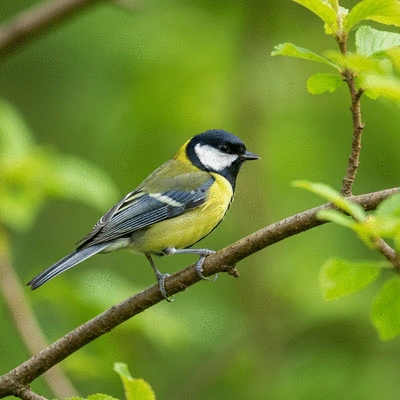
Identifying native bird species in Sheffield can be straightforward if you know what to look for. Native birds, such as the great tit and blue tit, often have distinctive markings and calls. For example, the great tit has a striking yellow breast with a black cap and a recognizable two-syllable call!
Great Tit: Yellow underparts with a black stripe down the middle.
Blue Tit: Bright blue and yellow plumage with a small size.
Chaffinch: Males have a pinkish breast and a blue-grey cap.
Recognizing these key characteristics can assist in monitoring their populations and understanding their habits, which is vital for effective pest management. Remember, a healthy bird population often means a balanced ecosystem!
Spotting Invasive Bird Species: What to Look For
Invasive bird species, like the Canada goose and feral pigeon, can cause problems in urban areas. They often compete with native birds for resources and can lead to a decline in local biodiversity. Spotting these species is crucial for our pest management efforts.
Canada Goose: Large birds with a black head and neck, often found near water bodies.
Feral Pigeon: Typically grey with iridescent feathers, they thrive in urban settings.
Ring-necked Parakeet: Bright green with a distinctive ring around their necks, these birds are becoming more common in Sheffield.
By knowing how to identify these invasive species, we can implement targeted control measures that help restore balance in our ecosystems. At Pest Control Sheffield, we are dedicated to using responsible methods to manage these populations while protecting our native wildlife!
Rare Bird Sightings in Sheffield: What You Need to Know
Rare bird sightings can spark excitement among birdwatchers and conservationists alike. Sheffield occasionally hosts migratory birds like the merlin or barn owl, making our city a significant spot for bird enthusiasts. Keeping an eye out for these species can contribute to important data collection for local conservation efforts.
It's essential to document these sightings as they can provide insights into changing migration patterns and environmental health. Familiarizing yourself with local birdwatching communities can enhance your experience and knowledge about these rare visitors!
Tracking Bird Migration Patterns in Sheffield
Understanding bird migration patterns is key to grasping how environmental changes affect our avian friends. Birds migrating through Sheffield may alter their routes due to climate variations, impacting local ecosystems. Observing these patterns not only enriches our knowledge but also helps in planning effective pest control strategies.
Use online platforms for reporting sightings and tracking migration.
Engage with local birdwatching groups for shared knowledge.
Keep a personal journal of sightings to notice trends over time.
By tracking these migration patterns, we can ensure that our pest management practices align with the natural rhythms of wildlife, promoting a healthier urban environment.
How to Use Bird Identification Guides Effectively
Bird identification guides are invaluable tools for anyone looking to enhance their birdwatching experience. These guides help you understand distinguishing features and behaviors, which are essential for accurate identification.
Start with local guides that focus on Sheffield’s bird species.
Utilize apps that provide audio clips of bird calls for better identification.
Engage in community birdwatching events to learn from experienced birders.
By effectively using these resources, you’ll not only sharpen your identification skills but also contribute to a wider understanding of Sheffield's bird populations, which aligns seamlessly with our mission at Pest Control Sheffield to promote community safety and ecosystem health.
We Want to Hear From You!
Which bird species have you spotted in Sheffield? Share your experiences and thoughts below:
Recap of Sheffield Bird Species and Pest Control Strategies
Understanding the diverse bird species in Sheffield is not just an interesting hobby; it plays a critical role in effective pest management. By identifying the various birds that inhabit our area, we can tailor our pest control strategies to ensure both wildlife conservation and community safety. A well-informed approach helps us protect our local ecosystem while addressing pest issues that affect homes and businesses.
Whether it’s native species like the greenfinch or invasive ones like the pigeon, each bird presents unique challenges and solutions in pest control. Knowing these distinctions allows for more appropriate management techniques that not only meet regulatory requirements but also foster a healthy environment for our community.
Why Understanding Bird Species Is Crucial for Effective Pest Management
Recognizing the different bird species around Sheffield can significantly impact how we approach pest control. Here are some key reasons why this understanding is essential:
Targeted Solutions: Tailoring pest control strategies based on species ensures that we use the right methods, minimizing harm to non-pest birds.
Ecological Balance: Maintaining balance within the local ecosystem helps protect beneficial birds that contribute to pest control naturally.
Legal Compliance: Different bird species are protected by laws, and understanding these can help us operate within legal frameworks.
By incorporating this knowledge, we can enhance the sustainability of our pest management practices at Pest Control Sheffield.
Considerations for Wildlife Conservation in Pest Control
When implementing pest control measures, it’s vital to consider how these actions impact wildlife conservation. The balance of nature is delicate, and protecting our local birds is a responsibility we take seriously at Pest Control Sheffield. Here are some considerations we always keep in mind:
Non-lethal Methods: Whenever possible, we opt for humane strategies that deter birds without harming them.
Habitat Preservation: We promote practices that maintain the natural habitats of birds, ensuring they thrive alongside our pest control efforts.
Community Education: Sharing knowledge about local birds and their roles in the ecosystem encourages responsible behavior among residents.
By prioritizing these considerations, we can work towards fostering a community where both people and wildlife coexist harmoniously.
Next Steps: How to Get Tailored Pest Control Services in Sheffield
If you’re facing pest issues or want to manage bird populations effectively, taking the next step is easy! At Pest Control Sheffield, we offer customized pest control solutions tailored to your needs. Here’s how you can get started:
Contact Us: Reach out for a consultation to discuss your specific pest control needs.
Schedule an Inspection: Our team will assess your property and identify any potential bird or pest issues.
Receive a Tailored Plan: We’ll provide a detailed plan outlining our recommended strategies and how we can assist you.
Don’t hesitate! Your comfort and peace of mind are just a phone call away. Let’s work together to create a pest-free environment while ensuring the protection of Sheffield’s beautiful bird species! Learn more about effective bird control for properties.
Actionable Resources and Consultation for Sheffield Residents
Requesting Quotes and Free Consultations: What to Expect
Getting started with pest control services has never been easier! When you reach out to Pest Control Sheffield, here’s what you can expect:
Free Consultation: We offer an initial, no-obligation consultation to understand your pest concerns.
Transparent Quotes: You’ll receive clear, upfront pricing tailored to the specific services you need.
Expert Guidance: Our team will walk you through your options, ensuring you feel confident in your choices.
We believe that informed clients make the best decisions, and we’re here to help you every step of the way!
Engaging with Local Wildlife Trusts for Support and Information
Local wildlife trusts are invaluable resources for anyone interested in bird conservation and pest management. Engaging with these organizations can provide numerous benefits:
Educational Workshops: Many wildlife trusts offer workshops and seminars about local bird species and conservation efforts.
Community Projects: Participate in projects focused on bird habitats, which can enhance both the environment and your understanding.
Networking Opportunities: Connect with like-minded individuals who share a passion for wildlife conservation.
Involving yourself with these groups not only enriches your knowledge but also supports our local ecosystem!
Joining Local Birdwatching Groups for Community Science Projects
Birdwatching is a fantastic way to learn more about our feathered friends while contributing to valuable community science projects. Consider the following benefits:
Real-Time Data Collection: Participating in bird counts or monitoring helps gather essential data for conservation efforts.
Shared Experiences: Connect with fellow bird enthusiasts, exchange tips, and enjoy outings together.
Increased Awareness: Learning to identify local species fosters a deeper appreciation for our wildlife.
Don’t miss out on the opportunity to engage with your community while enhancing your birdwatching skills!
Frequently Asked Questions About Sheffield Bird Species and Pest Management
Q: Why is accurate bird identification important for pest management?
A: Accurate bird identification helps avoid harming protected species, allows for natural pest control by beneficial birds, and indicates the overall health of the environment, guiding eco-friendly pest management strategies.
Q: What are some common bird species found in Sheffield?
A: Common bird species in Sheffield include the House Sparrow, Wood Pigeon, Starling, and Robin, each with distinct habitats and behaviors.
Q: How can I distinguish native birds from invasive species?
A: Native birds like Great Tits and Blue Tits have specific markings and calls. Invasive species such as the Canada Goose, Feral Pigeon, and Ring-necked Parakeet typically have distinct appearances and behaviors that can impact native biodiversity.
Q: How do bird migration patterns affect pest control in Sheffield?
A: Tracking bird migration patterns helps understand how environmental changes affect bird populations and local ecosystems. This knowledge allows pest control strategies to be adapted to align with natural wildlife rhythms, contributing to a healthier urban environment.
Q: What resources are available for bird identification and conservation in Sheffield?
A: Bird identification guides, local wildlife trusts, and birdwatching groups are excellent resources. These provide educational workshops, community projects, and opportunities to contribute to community science, enhancing both knowledge and conservation efforts.
Recap of Key Points
Here is a quick recap of the important points discussed in the article:
Importance of Accurate Bird Identification: Understanding local bird species aids in effective pest management and helps avoid harm to protected species.
Common Bird Species in Sheffield: Familiarizing yourself with species like House Sparrows and Robins can enhance pest control strategies.
Identifying Invasive Species: Recognizing birds such as the Canada Goose and Feral Pigeon is crucial for maintaining local biodiversity.
Tracking Migration Patterns: Observing migratory species can provide insights into environmental health and help plan pest control methods accordingly.
Effective Use of Bird Guides: Local guides and apps can improve bird identification skills, contributing to community education and conservation efforts.
Liam Harrington
As a BPCA and NPTA-accredited pest control expert, I've dedicated over a decade to safeguarding Sheffield homes and businesses from unwanted intruders. My passion lies in delivering effective, safe, and tailored pest management solutions, ensuring peace of mind for our community. From common household pests to complex commercial infestations, I'm committed to sharing expert knowledge and promoting sustainable practices.
Safe Pest Control for Kids
Did you know that choosing eco-friendly pest control solutions can significantly impact the health o
Welcome to Pest Control Sheffield
Pest Control Sheffield is dedicated to safeguarding the health and well-being of Sheffield's community with expert pest management solutions. Our mission is to provide effective, safe, and compliant services tailored to your unique needs, ensuring a pest-free environment.
Pesky rodents making themselves at home? Ensure all food is stored in airtight containers and regularly clean up crumbs. A tidy home is a less inviting one for pests!
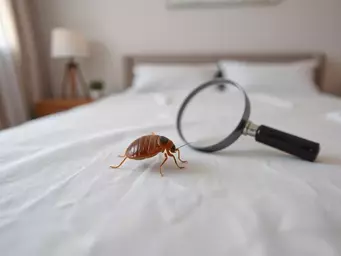
Don't let bed bugs get comfortable! Regularly inspect mattress seams and furniture crevices for tell-tale signs like rust-colored stains or tiny black spots. Early detection is key!
Seal entry points around your home. Cracks in walls, gaps around pipes, and unsealed vents are open invitations for insects and rodents. A little caulk goes a long way!
Standing water is a mosquito magnet. Regularly empty bird baths, pet water bowls, and clear blocked gutters to eliminate breeding grounds in your Sheffield garden.
Keep your outdoor spaces tidy. Overgrown gardens and piles of debris provide perfect shelter for pests. Regular landscaping can deter unwanted visitors.
Flies and other flying insects can be a nuisance. Install screens on windows and doors, and ensure bins are tightly sealed to prevent them from entering your home.
Think twice before leaving pet food out overnight. It’s a prime attractant for rodents and other pests looking for an easy meal. Store it away in sealed containers.
Regularly check your roof and eaves for signs of bird nesting. While some birds are protected, their nests can harbor other pests and cause structural damage.
Don't ignore small pest problems. A single ant trail can quickly become an infestation. Addressing issues early can save you time and money in the long run.
When bringing in firewood, inspect it thoroughly for spiders, beetles, or other insects that might hitch a ride into your home. Store firewood away from your house.
Mind your drains! Keep them clean and free of food debris to prevent drain flies and other moisture-loving pests from breeding in your kitchen or bathroom.
If you spot signs of a pest problem, consider professional help. Our expert team at Pest Control Sheffield offers safe and effective solutions tailored to your needs.
Educate yourself on common pests in Sheffield. Knowing their habits and what attracts them can empower you to take proactive preventative measures.
Regularly check your loft or attic for signs of squirrels or other wildlife. These areas can become prime nesting spots if not properly secured and inspected.
Facing a pest issue in Sheffield? Don't hesitate to reach out! Our team provides effective, safe, and compliant pest management solutions for your peace of mind.