What if the safety of your home and community depended on understanding a few key legal requirements? Navigating the complex landscape of pest control regulations is essential for protecting your property and ensuring public health. Let's explore the vital insights you need to grasp this topic effectively.
What You Will Learn
The UK has established several key laws governing pest control, including the Prevention of Damage by Pests Act 1949 and the Environmental Protection Act 1990.
Property owners and businesses are legally obligated to prevent pest infestations and maintain safe environments for tenants and customers.
Proper documentation, such as risk assessments and treatment reports, is essential for compliance with pest control regulations.
Humane pest control methods are mandated by the Animal Welfare Act 2006, highlighting the importance of ethical practices in pest management.
Key UK Legislation & Responsibilities in Pest Control
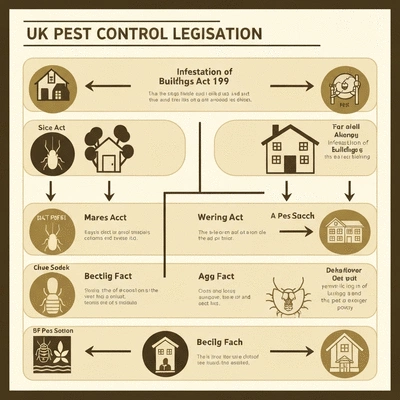
This visual outlines the crucial legal frameworks and responsibilities for property owners and businesses regarding pest control in the UK, highlighting compliance and safety standards. Understanding these frameworks is vital, much like understanding the specific challenges of identifying pests in Sheffield properties to ensure effective management.
●Landlords: Maintain safe, pest-free living conditions.
●Commercial: Keep premises pest-free for public health & food safety.
Key Documentation for Compliance:
★Risk assessments (hazards & risks).
★Treatment reports (methods & products).
★Pest Control Certification (accreditation).
★HSE Guidelines adherence.
Understanding Legal Requirements for Pest Control in the UK
As a pest control expert with over a decade of experience, I understand how crucial it is for residents and businesses to be aware of the legal landscape surrounding pest management. The UK has established several key pieces of legislation that govern pest control practices to ensure safety, efficacy, and environmental protection.
Here’s an overview of the essential UK pest control legislation:
Prevention of Damage by Pests Act 1949: This act requires landowners to prevent damage caused by pests.
Environmental Protection Act 1990: Aims to safeguard the environment from harm caused by improper pest control.
Food Safety Act 1990: Ensures that food businesses maintain hygiene standards to prevent pest infestations.
Control of Pesticides Regulations 1986: Mandates the safe use of pesticides to protect human health and the environment.
COSHH Regulations 2002: Requires risk assessments and proper handling of hazardous substances, including pesticides.
Pest Control Act 1974: Introduces specific provisions for the control of pests on agricultural land.
Health and Safety at Work Act 1974: Ensures that employers manage health and safety risks associated with pest control.
UK Biocidal Products Regulation: Regulates the marketing and use of biocidal products to ensure they are safe and effective.
Key Legislation Governing Pest Control Practices
Each piece of legislation plays a vital role in shaping how pest control is conducted. Compliance not only protects our environment and communities but also enhances the professionalism of our field. For instance, adhering to the Health and Safety at Work Act 1974 is paramount for ensuring the safety of both pest control technicians and clients. For businesses, comprehensive compliance is key to effective pest control strategies.
Understanding these laws can help you make informed decisions about pest management and ensure that your actions are compliant with local regulations. Always consult with professionals like us at Pest Control Sheffield to navigate these complexities effectively!
Legal Responsibilities of Property Owners and Businesses
Property owners and businesses have specific legal responsibilities when it comes to pest control:
Homeowners: Must take reasonable steps to prevent pests and address infestations promptly.
Landlords: Have an obligation to maintain safe and pest-free living conditions for tenants.
Commercial businesses: Required to keep premises pest-free to safeguard public health and comply with food safety standards.
Ensuring compliance with these responsibilities is crucial. It not only protects your property but also contributes to the health and safety of the wider community. Keeping thorough documentation can help demonstrate commitment to pest control compliance, which is something we emphasize in our practices at Pest Control Sheffield.
Ensuring Compliance with Safety Standards in Pest Control
Documentation and Audit Readiness for Pest Control
To maintain compliance with pest control regulations, proper documentation is essential. Here are key documents every pest control operation should have:
Risk assessments: Identifying potential hazards and assessing risks related to pest control.
Treatment reports: Keeping records of treatments conducted, including methods and products used.
Pest Control Certification: Proof of accreditation and training for pest control professionals.
Health and Safety Executive (HSE) Guidelines: Following HSE guidelines ensures safety standards are met.
At Pest Control Sheffield, we prioritize meticulous documentation to ensure our practices are not only effective but also compliant with UK regulations. This dedication to detail helps us serve our community better and guarantees we’re ready for any audits!
Humane Pest Control Methods and Their Legal Implications
In our commitment to responsible pest management, we advocate for humane pest control methods. Under the Animal Welfare Act 2006, it’s essential to treat pests humanely, especially when considering methods of removal. Utilizing Integrated Pest Management (IPM) strategies allows us to minimize harm while effectively managing pest populations.
By adhering to the BPCA codes and consistently reviewing our practices, we ensure that our pest control methods are both humane and legally compliant. It’s an approach that not only benefits the pests but also aligns with our mission at Pest Control Sheffield to foster a safer community!
Pro Tip
Did you know? Keeping your property well-maintained not only enhances its value but also minimizes the risk of pest infestations. Simple practices like sealing cracks, maintaining a clean garden, and ensuring proper waste disposal can create a less inviting environment for pests.
Summarizing Key Insights on Pest Control Regulations
As we wrap up our discussion on pest control regulations in the UK, it's important to recognize the vital legal requirements and safety standards in place. These regulations not only protect public health but also ensure that pest control practices are performed responsibly and ethically. For Sheffield residents, understanding these laws is crucial to maintaining a safe living and working environment.
The British Pest Control Association (BPCA) emphasizes the significance of compliance with pest management legislation. This includes understanding the nuances of local laws to ensure effective pest control while minimizing environmental impact. Remember, being informed is your first step toward a pest-free home!
Next Steps for Sheffield Residents: Engaging with Pest Control Services
Now that you have a solid grasp of pest control regulations, what should you do next? I encourage all Sheffield residents to take the following steps to ensure compliance and safety:
Verify the licenses of any pest control service providers you consider hiring.
Understand the necessary compliance documentation required for pest management.
Consult local authorities, like the Sheffield City Council, for any pest-related concerns and guidance.
By taking these actions, you not only protect your property but also contribute to the well-being of our community. Staying informed about updates in pest control legislation and practices in Sheffield will empower you to make the best decisions for your home and business. For example, understanding bird control laws in Sheffield is essential for specific situations. If you have any questions or need guidance, feel free to reach out to us at Pest Control Sheffield. We’re here to help!
Frequently Asked Questions (FAQs) about UK Pest Control Regulations
Q1: What are the primary UK laws governing pest control?
A1: Key legislation includes the Prevention of Damage by Pests Act 1949, Environmental Protection Act 1990, Food Safety Act 1990, Control of Pesticides Regulations 1986, COSHH Regulations 2002, Pest Control Act 1974, Health and Safety at Work Act 1974, and the UK Biocidal Products Regulation.
Q2: What are the legal responsibilities of property owners regarding pests?
A2: Homeowners must take reasonable steps to prevent pests and address infestations. Landlords are obligated to maintain pest-free living conditions for tenants, and commercial businesses must keep premises pest-free for public health and food safety.
Q3: What documentation is required for pest control compliance?
A3: Essential documentation includes risk assessments, treatment reports (detailing methods and products), Pest Control Certification for professionals, and adherence to Health and Safety Executive (HSE) Guidelines.
Q4: How do humane pest control methods relate to UK law?
A4: The Animal Welfare Act 2006 mandates that pests be treated humanely. This encourages the use of Integrated Pest Management (IPM) strategies to minimize harm while effectively managing pest populations.
Q5: Why is it important to stay informed about pest control regulations?
A5: Staying informed ensures that pest control practices are effective, legally compliant, and ethically sound. It protects public health, safeguards the environment, and helps property owners and businesses avoid legal penalties.
Recap of Key Points
Here is a quick recap of the important points discussed in the article:
Understand the key UK pest control legislation, including the Prevention of Damage by Pests Act 1949 and the Environmental Protection Act 1990.
Property owners and businesses must take reasonable steps to prevent pest infestations and maintain safe environments.
Proper documentation, such as risk assessments and treatment reports, is essential for compliance with pest control regulations.
Humane pest control methods are not only ethical but also required under the Animal Welfare Act 2006.
Stay informed about local pest control regulations to ensure effective management and protect public health.
Liam Harrington
As a BPCA and NPTA-accredited pest control expert, I've dedicated over a decade to safeguarding Sheffield homes and businesses from unwanted intruders. My passion lies in delivering effective, safe, and tailored pest management solutions, ensuring peace of mind for our community. From common household pests to complex commercial infestations, I'm committed to sharing expert knowledge and promoting sustainable practices.
Pest Control Sheffield is dedicated to safeguarding the health and well-being of Sheffield's community with expert pest management solutions. Our mission is to provide effective, safe, and compliant services tailored to your unique needs, ensuring a pest-free environment.
Pesky rodents making themselves at home? Ensure all food is stored in airtight containers and regularly clean up crumbs. A tidy home is a less inviting one for pests!
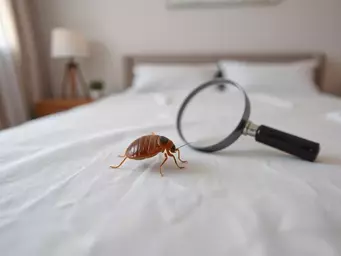
Don't let bed bugs get comfortable! Regularly inspect mattress seams and furniture crevices for tell-tale signs like rust-colored stains or tiny black spots. Early detection is key!
Seal entry points around your home. Cracks in walls, gaps around pipes, and unsealed vents are open invitations for insects and rodents. A little caulk goes a long way!
Standing water is a mosquito magnet. Regularly empty bird baths, pet water bowls, and clear blocked gutters to eliminate breeding grounds in your Sheffield garden.
Keep your outdoor spaces tidy. Overgrown gardens and piles of debris provide perfect shelter for pests. Regular landscaping can deter unwanted visitors.
Flies and other flying insects can be a nuisance. Install screens on windows and doors, and ensure bins are tightly sealed to prevent them from entering your home.
Think twice before leaving pet food out overnight. It’s a prime attractant for rodents and other pests looking for an easy meal. Store it away in sealed containers.
Regularly check your roof and eaves for signs of bird nesting. While some birds are protected, their nests can harbor other pests and cause structural damage.
Don't ignore small pest problems. A single ant trail can quickly become an infestation. Addressing issues early can save you time and money in the long run.
When bringing in firewood, inspect it thoroughly for spiders, beetles, or other insects that might hitch a ride into your home. Store firewood away from your house.
Mind your drains! Keep them clean and free of food debris to prevent drain flies and other moisture-loving pests from breeding in your kitchen or bathroom.
If you spot signs of a pest problem, consider professional help. Our expert team at Pest Control Sheffield offers safe and effective solutions tailored to your needs.
Educate yourself on common pests in Sheffield. Knowing their habits and what attracts them can empower you to take proactive preventative measures.
Regularly check your loft or attic for signs of squirrels or other wildlife. These areas can become prime nesting spots if not properly secured and inspected.
Facing a pest issue in Sheffield? Don't hesitate to reach out! Our team provides effective, safe, and compliant pest management solutions for your peace of mind.