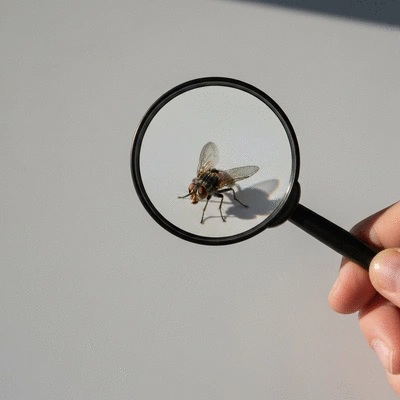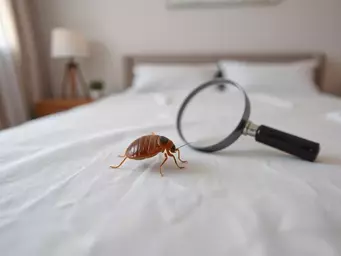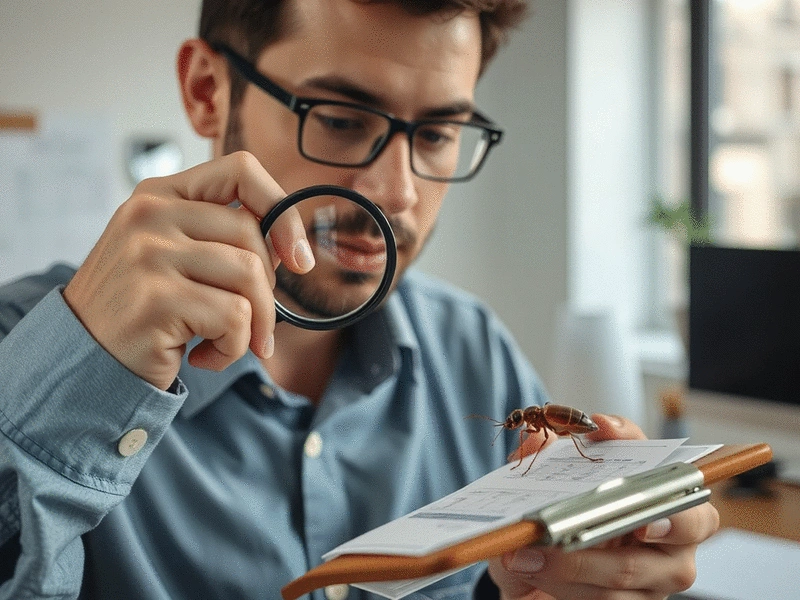
Identification
Regularly inspect properties for signs of pests.
Did you know that accurate insect identification can significantly influence the effectiveness of pest control strategies? Understanding the specific pests in your properties not only protects your assets but also ensures tenant safety. Let's dive into the critical insights that every Sheffield property manager should know!
Effective pest management revolves around accurate identification and timely treatment. Here's a visual summary of the essential steps:
Regularly inspect properties for signs of pests.
Implement ongoing surveillance to track pest activity.
Apply appropriate treatments based on pest type and severity.
Establish preventive measures to avoid future infestations.
As a property manager in Sheffield, you might think that pests are just a nuisance, but accurate insect identification is crucial for the health and safety of your properties. Knowing which insects inhabit your spaces allows for timely interventions and effective management strategies. From common household pests to potential health hazards, understanding the specific type of insect can make all the difference in your pest control efforts! For more detailed guidance on identifying pests, check out our guide on identifying pests in Sheffield properties.
When we’re dealing with pests, the first step is always identification. Each insect poses different threats and may require unique treatment methods. By distinguishing between harmless insects and those that can cause significant damage, you can save both time and money while ensuring the safety of your tenants. Remember, knowledge is power!
Why does insect identification matter? Well, accurate identification impacts everything from treatment procedures to preventative measures. For instance, ants might seem harmless at first, but specific species can compromise structural integrity or spread diseases. Understanding the differences helps you choose the right approach, minimizing risks and maximizing effectiveness.
By focusing on accurate identification, you set the foundation for a robust pest management strategy. As a result, you’ll not only protect your properties but also foster a safer living environment for your tenants.
As property managers, you play a vital role in pest control and prevention. Regular inspections, prompt reporting of suspected infestations, and proactive measures are essential components of effective pest management. By staying informed and vigilant, you can address issues before they escalate into major problems! For insights into local regulations, refer to our Sheffield pest control compliance guide.
Moreover, communication with tenants about their responsibilities, such as maintaining cleanliness and reporting signs of pests, is crucial. This collaboration enhances the effectiveness of your pest control efforts and builds a sense of community among residents.
Incorporating entomology—the scientific study of insects—into your pest management strategy can significantly improve outcomes. Understanding insect behavior, life cycles, and habitats allows for tailored approaches that address the specific challenges posed by different pests. For instance, knowing when certain insects are most active can help schedule treatments for maximum effectiveness.
By leveraging entomological insights, you can enhance your pest control efforts, ensuring they are both effective and compliant with Sheffield's regulations. This not only protects your properties but also reassures tenants that their health and safety are top priorities.
Next, let’s explore some of the common insects that can impact your Sheffield properties. Recognizing these pests early on will empower you to act swiftly and mitigate potential issues.
Did you know? Keeping detailed records of pest sightings and treatments can greatly enhance your pest management strategy. By noting the specific types of pests, locations, and times of year they appear, you can identify patterns and anticipate future infestations, allowing for more proactive and effective interventions.
A1: Accurate insect identification is crucial because it allows for timely, targeted, and effective pest control interventions, saving time and money, and ensuring the health and safety of tenants. Different pests require unique treatment methods.
A2: The key steps include Identification (regular inspections), Monitoring (ongoing surveillance), Treatment (applying appropriate methods), and Prevention (establishing measures to avoid future infestations).
A3: Property managers play a vital role through regular inspections, prompt reporting of suspected infestations, proactive measures, and effective communication with tenants about their responsibilities in maintaining cleanliness and reporting pests.
A4: Entomology, the study of insects, enhances strategies by providing insights into insect behavior, life cycles, and habitats. This knowledge helps in timing treatments for maximum effectiveness, employing targeted approaches, and utilizing environmentally friendly practices.
A5: Ongoing monitoring and maintenance are vital because pest control is not a one-off task. Regular inspections and a scheduled maintenance plan help catch potential problems early, prevent serious infestations, and protect the property investment.
As property managers in Sheffield, it's essential to have a clear understanding of the pest management process. Effective pest management revolves around two critical components: accurate identification and timely treatment. By recognizing the signs of pest infestations early, we can take proactive measures to mitigate issues before they escalate.
To summarize, here’s a recap of the essential steps in the pest management process:
By following these key steps, we can effectively manage pests and maintain safe environments for tenants and visitors alike.
Ongoing monitoring and maintenance are vital in pest management. It’s not a one-off task; instead, it requires constant vigilance. Regular inspections help catch potential problems before they become serious. I often advise property managers to develop a scheduled maintenance plan that includes:
Remember, keeping a close watch on your properties enhances tenant satisfaction and protects your investment in the long run!
Now that we've covered the importance of pest management, it’s time to take action! As a property manager, you have the unique opportunity to implement effective pest control strategies within your properties. Start by revisiting the guidelines mentioned above and integrating them into your daily operations.
To successfully implement these pest management guidelines, consider these actionable steps:
By taking these steps, you’ll create a comprehensive pest management strategy that not only protects your properties but also fosters a positive living experience for your tenants. Your proactive approach will set you apart as a responsible property manager in Sheffield.
If you’re looking for additional support, don’t hesitate to reach out to local pest control experts like Pest Control Sheffield. We provide tailored pest management solutions to meet the unique needs of property managers and tenants in our community. Our experienced team is just a phone call away to assist you with pest identification, treatment options, and ongoing support. For comprehensive solutions, explore our reliable pest control services.
For more information or to schedule a consultation, visit our website or contact us directly. Together, we can ensure that your properties remain pest-free and welcoming for all!
Here is a quick recap of the important points discussed in the article:
As a BPCA and NPTA-accredited pest control expert, I've dedicated over a decade to safeguarding Sheffield homes and businesses from unwanted intruders. My passion lies in delivering effective, safe, and tailored pest management solutions, ensuring peace of mind for our community. From common household pests to complex commercial infestations, I'm committed to sharing expert knowledge and promoting sustainable practices.